
Morton’s Neuroma: Causes, Symptoms & When to Consider a Steroid Injection

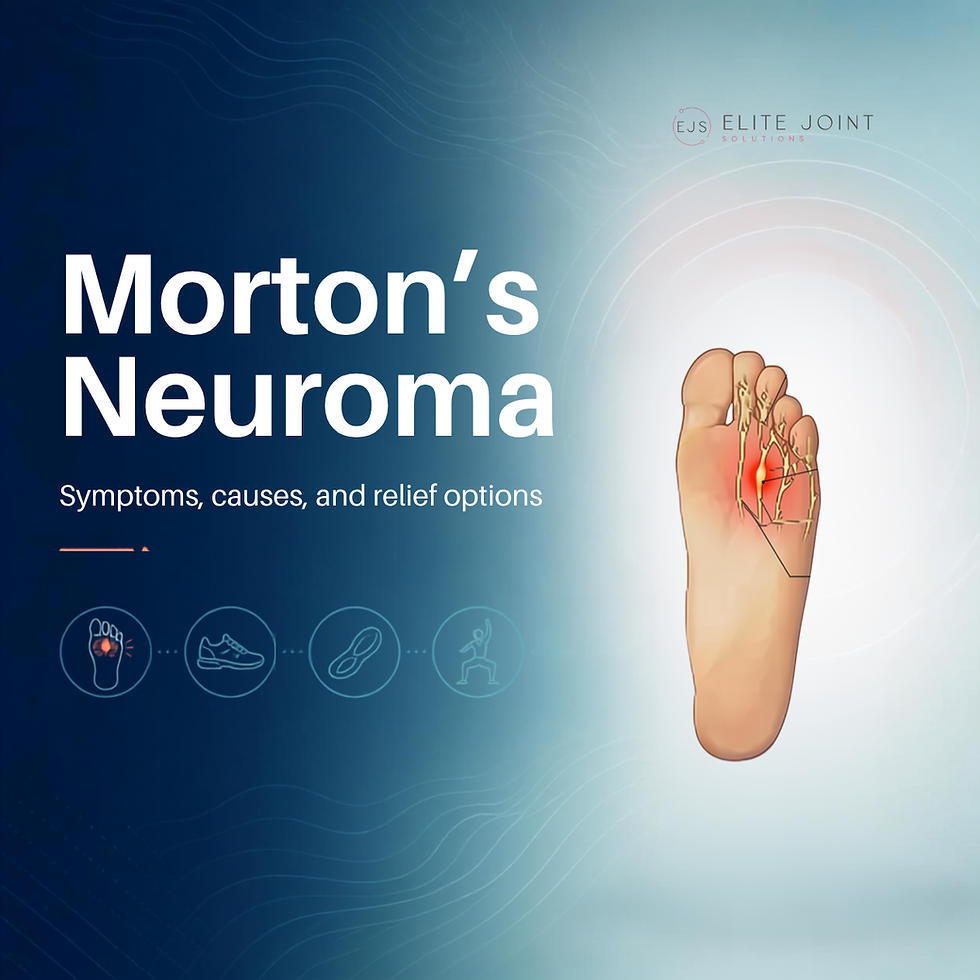
Morton's neuroma is a condition that causes pain in the forefoot, most commonly around the ball of the foot between the third and fourth toes. It usually develops gradually and is rarely linked to a single injury or trauma. Instead, it occurs when the tissue surrounding one of the small nerves supplying the toes becomes thickened and irritated, often due to repeated compression or excessive pressure.
What are the symptoms?
Patients often describe the sensation as though they are "walking on a golf ball" or have a small pebble trapped underneath the foot. Symptoms often develop gradually and may include:
Pain in the ball of the foot
Burning pain that may radiate into the toes
Tingling or numbness in the toes
A feeling of fullness underneath the foot
Pain that worsens with prolonged walking, running or standing
Symptoms that are aggravated by tight-fitting shoes or high heels and relieved when shoes are removed
Simple treatments you can try at home
The good news is that many cases improve with simple self-management, particularly if treatment is started early.
mortons neuroma pad image to show how padding helps for mortons neuroma
Rest and activity modification
Reducing activities that repeatedly load the forefoot, such as running, jumping or prolonged walking, can allow the irritated nerve to settle. This doesn't necessarily mean complete rest, but temporarily modifying activities while symptoms improve.
Wear wider footwear
One of the most effective changes is switching to shoes with a wide toe box. Shoes that squeeze the forefoot increase pressure on the irritated nerve and can make symptoms significantly worse.
When choosing footwear, look for:
A wide toe box that allows your toes to spread naturally
Good cushioning beneath the forefoot
A supportive sole
Low-heeled shoes where possible
Avoid narrow fashion shoes and high heels for prolonged periods
Even this simple change can make a noticeable difference for many people.
Consider cushioned insoles and metatarsal pads
Supportive insoles or cushioned shoe inserts can help redistribute pressure away from the painful nerve.
One of the most effective options is a metatarsal pad (sometimes called a met dome). Rather than sitting directly underneath the painful area, the pad is positioned just behind the ball of the foot. This gently spreads the metatarsal bones apart, reducing pressure on the irritated nerve during walking.
Soft gel or cushioned insoles may also improve comfort by reducing impact forces through the forefoot.
It's important that metatarsal pads are positioned correctly, as placing them directly over the painful area may actually increase discomfort.
Ice
Applying an ice pack wrapped in a towel for 10-15 minutes after activity may help reduce irritation and ease discomfort, particularly during painful flare-ups.
Medication
Simple pain relief such as Paracetamol may help control symptoms. If suitable for you, anti-inflammatory medications such as Ibuprofen or anti-inflammatory gels may also reduce inflammation around the nerve. These medications should only be taken according to the manufacturer's instructions or following advice from your healthcare professional.
Foot exercises
Although exercises cannot remove the thickened nerve itself, improving foot strength and mobility may reduce excessive loading through the forefoot. Gentle calf stretches, toe mobility exercises and intrinsic foot strengthening exercises may all be beneficial as part of an overall rehabilitation programme.
When should you seek further treatment?
If symptoms have persisted for 4-6 weeks despite appropriate footwear, insoles and activity modification, it may be worth seeking a professional assessment.
At Elite Joint Solutions we will assess whether your symptoms are truly due to Morton's neuroma, as several other conditions can produce very similar pain, including:
Metatarsalgia
Stress fractures
Arthritis
Tendon problems
Toe joint inflammation
Making the correct diagnosis is essential before considering any injection treatment.
Steroid injection treatment
If conservative treatment has not been successful, a steroid injection may be an excellent next step.
A steroid injection is a powerful anti-inflammatory treatment delivered directly around the irritated nerve. The aim is to reduce inflammation, decrease pressure around the nerve and relieve pain, allowing you to return to normal activities more comfortably.
Based on the patients I commonly see in clinic, over 75% experience significant improvement following a steroid injection.
The procedure itself is quick and straightforward. Most patients tolerate it very well, and discomfort during the injection is usually minimal. Treatment is performed safely in clinic, with very little downtime afterwards.
If symptoms continue despite injections and conservative management, referral for imaging or assessment by a foot and ankle specialist may occasionally be appropriate, although many patients improve without requiring surgery.
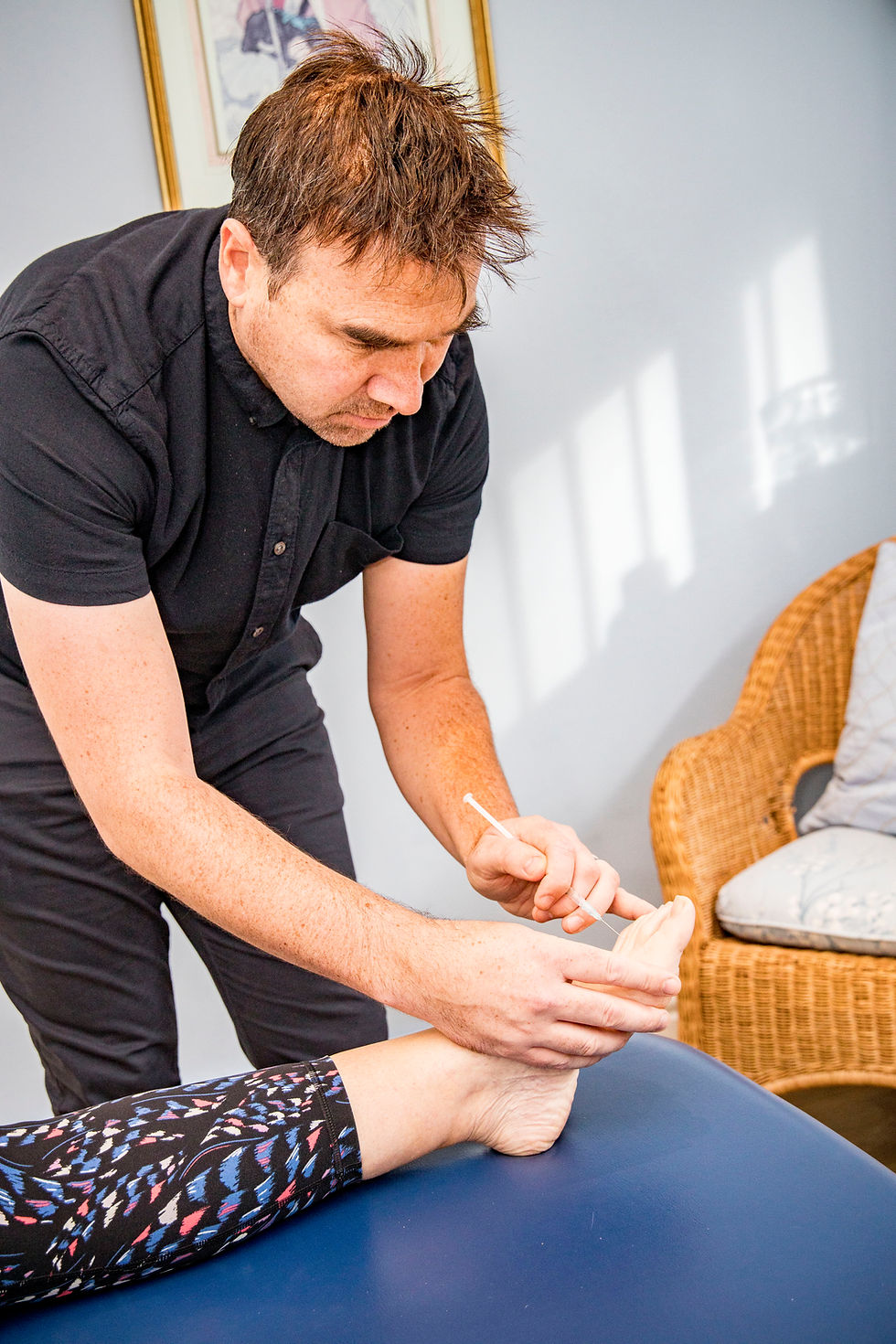
Need help with Morton's neuroma?
If you're struggling with persistent pain in the ball of your foot and think you may have Morton's neuroma, we'd be happy to assess you and discuss the most appropriate treatment options.
Visit the Elite Joint Solutions Contact Page to book an appointment. Elite Joint Solutions | Physiotherapy, Injections & Pain Management in Bristol
References
National Institute for Health and Care Excellence. Clinical Knowledge Summary: Morton's Neuroma.
American Academy of Orthopaedic Surgeons. Morton's Neuroma.
Thomson CE, Gibson JNA, Martin D. Interventions for the treatment of Morton's neuroma. Cochrane Database of Systematic Reviews.
Matthews BG, Hurn SE, Harding MP, et al. Effectiveness of shoe modifications and foot orthoses in the treatment of Morton's neuroma. Journal of Foot and Ankle Research.


Comments