
Morton's Neuroma Treatment in Bristol, Yate & South Gloucestershire | Elite Joint Solutions

Updated: Aug 10

Morton's Neuroma – Causes, Symptoms and the Best Treatment Options
If you are experiencing a sharp, burning pain in the ball of your foot, particularly between your third and fourth toes, you may be suffering from Morton's neuroma. This is one of the most common causes of forefoot pain and, fortunately, there are several highly effective treatment options available.
At Elite Joint Solutions, we regularly diagnose and treat Morton's neuroma. Many patients improve with simple conservative measures, while others achieve excellent pain relief with a steroid injection when symptoms persist.
What is Morton's Neuroma?
Morton's neuroma is not actually a tumour, despite its name. Instead, it is a thickening and irritation of one of the small nerves that runs between the bones of the foot (metatarsals).
The condition most commonly develops between the third and fourth toes, although it can occasionally affect the second and third toes.
As the nerve repeatedly becomes compressed and irritated, it thickens over time, leading to increasing pain and sensitivity.
What Causes Morton's Neuroma?
Several factors can contribute to the development of Morton's neuroma, including:
Tight or narrow footwear
High-heeled shoes
Repetitive walking or running
Standing for prolonged periods
Flat feet
High arches
Biomechanical abnormalities of the foot
Previous foot injuries
The condition is more common in women, largely because of narrower footwear and higher heels.
Common Symptoms
Patients often describe:
Burning pain in the ball of the foot
Sharp or stabbing pain between the toes
Tingling or pins and needles into the toes
Numbness of the affected toes
Feeling like you are "walking on a pebble"
Feeling as though your sock is bunched up underneath your foot
Pain that worsens when walking or wearing tight shoes
Relief when shoes are removed and the foot is massaged
Symptoms usually become more noticeable the longer you remain on your feet.
a person suffering with mortons neuroma anatomy of a mortons neuroma
Can Morton's Neuroma Heal Naturally?
In the early stages, many cases improve with simple conservative treatment, particularly if pressure on the nerve is reduced.
Early intervention often prevents symptoms from becoming chronic.
Initial Self-Treatment
Many patients experience significant improvement by reducing irritation around the affected nerve.
1. Wear Wider Footwear
One of the most important changes is switching to footwear with a wide toe box.
This reduces compression across the forefoot and allows the irritated nerve more space.
Avoid:
Tight shoes
Narrow trainers
High heels
Instead choose supportive footwear that allows your toes to spread naturally.
2. Use Metatarsal Cushion Pads
Small metatarsal pads or forefoot cushions help redistribute pressure away from the irritated nerve.
These inexpensive pads are often available from pharmacies or specialist footwear suppliers and can make walking considerably more comfortable.

3. Apply Anti-inflammatory Gel
Applying an anti-inflammatory gel such as ibuprofen gel into the painful web space several times daily may help reduce local inflammation and improve symptoms.
Always follow the manufacturer's instructions and avoid use if you cannot take anti-inflammatory medications.
4. Consider Insoles
Many patients benefit from properly fitted insoles.
Insoles can:
Improve foot biomechanics
Reduce excessive pressure beneath the forefoot
Improve walking mechanics
Reduce nerve irritation
At Elite Joint Solutions, we can advise whether an off-the-shelf or more supportive insole is likely to be appropriate for your foot type.
When Should You Seek Professional Help?
If your symptoms have persisted for several weeks despite self-treatment, or the pain is preventing you from walking normally, it is sensible to seek an assessment.
At Elite Joint Solutions, we perform a detailed clinical examination to confirm the diagnosis and exclude other common causes of forefoot pain, including:
Stress fractures
Arthritis
Metatarsalgia
Tendon injuries
Nerve entrapment
Toe joint pathology
An accurate diagnosis ensures you receive the most appropriate treatment.
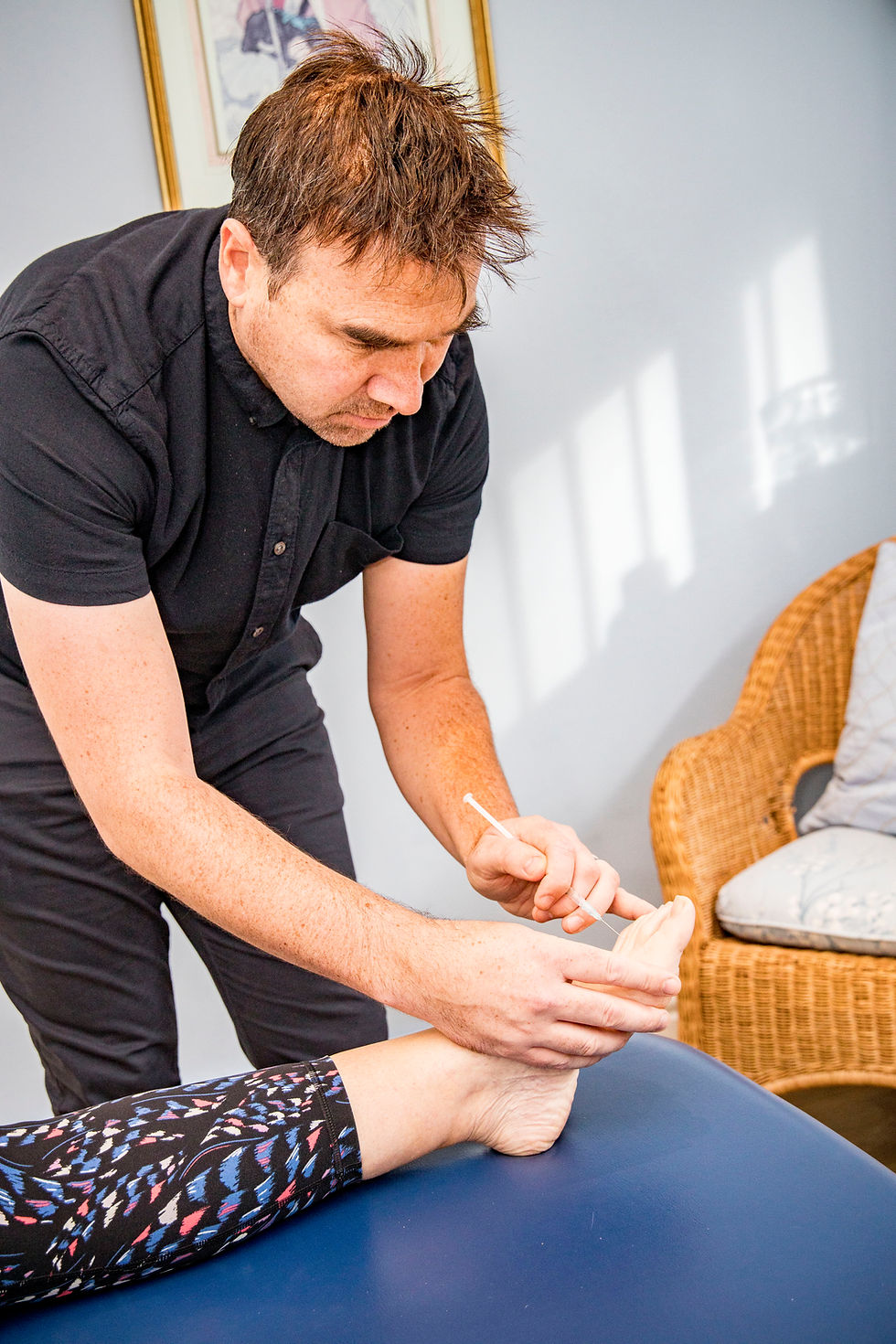
If conservative treatment has not been successful, a corticosteroid injection can be a highly effective treatment option.
At Elite Joint Solutions, steroid injections are commonly used to:
Reduce inflammation around the nerve
Decrease swelling
Relieve pain
Improve walking
Help patients return to normal daily activities
Many patients experience significant symptom relief following injection therapy, particularly when combined with footwear modification and appropriate insoles.
As with any medical procedure, steroid injections are not suitable for everyone. During your consultation we will discuss the benefits, risks and whether this treatment is appropriate for your individual circumstances.
Is Surgery Ever Needed?
Most patients improve without surgery.
However, if symptoms remain severe despite conservative management and injection therapy, surgical removal of the neuroma may occasionally be considered following assessment by a foot and ankle specialist.
Why Choose Elite Joint Solutions?
At Elite Joint Solutions, we provide an advanced assessment of foot pain rather than simply treating symptoms.
Our approach includes:
Comprehensive clinical assessment
Accurate diagnosis
Advice on footwear
Biomechanical assessment
Insole recommendations
Manual therapy where appropriate
Steroid injection therapy
Individual rehabilitation advice
Ongoing follow-up where required
Our aim is to reduce your pain, improve your mobility and help you return to the activities you enjoy as quickly as possible.
Frequently Asked Questions
Is Morton's neuroma permanent?
Not necessarily. Many patients improve with footwear changes, insoles and conservative management. Persistent cases often respond well to steroid injections.
Can I still exercise?
Usually yes, although reducing high-impact activities during painful flare-ups is often advisable. Low-impact exercise such as cycling or swimming is often more comfortable.
Does walking make it worse?
Long periods of walking in narrow footwear commonly aggravate symptoms. Wearing supportive, wider shoes often makes a significant difference.
Are steroid injections painful?
Most patients tolerate the injection very well. The procedure is quick, and discomfort usually lasts only a few seconds.
Book an Assessment
If you're struggling with burning pain in the ball of your foot or think you may have Morton's neuroma, Elite Joint Solutions offers expert assessment and evidence-based treatment, including conservative management and steroid injection therapy where appropriate.
Early treatment often leads to faster recovery and helps prevent symptoms from becoming longstanding. Book Today


Comments