
Golfer’s Elbow (Medial Epicondylitis)

Updated: Aug 10
What is Golfer’s Elbow?
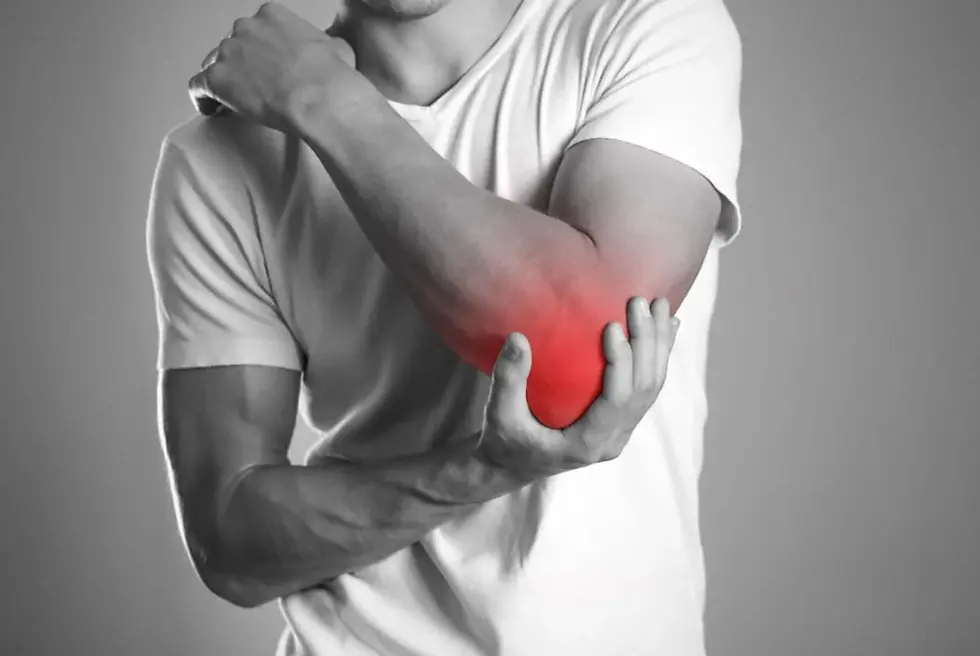
Golfer’s elbow, also known as medial epicondylitis, is a very common cause of pain on the inside of the elbow around the bony prominence. Despite the name, you do not have to play golf to develop this condition. It is commonly seen in people who perform repetitive gripping, lifting, or wrist movements through work, sport, or everyday activities.
Symptoms of Golfer’s Elbow
In many cases there is no specific trauma or injury. Symptoms usually develop gradually over time and may include:
Pain and tenderness on the inside of the elbow
Pain when gripping objects or shaking hands
Discomfort when lifting objects
Weakness through the hand and forearm
Pain during sporting activities such as golf, gym training, or racquet sports
The pain is often most noticeable during activities that require gripping or repetitive use of the wrist and forearm muscles.
What Causes Golfer’s Elbow?
Golfer’s elbow is usually caused by irritation and overload of the tendons that attach to the inside of the elbow. Common contributing factors include:
Repetitive lifting or gripping
Gym training or weightlifting
Racquet sports and golf
Manual work involving tools
Poor movement mechanics or overuse
Sudden increases in activity levels
Conservative Treatment Options
Most cases improve with conservative treatment. Early management is aimed at reducing irritation within the tendon and gradually improving strength and function.
Treatment options may include:
Activity modification and relative rest
Physiotherapy exercises
Stretching and strengthening programmes
Anti-inflammatory gels such as Voltaren
Elbow clasps or support straps
Shockwave therapy
In many patients, symptoms will settle with simple measures such as exercises, topical anti-inflammatory gels, and elbow clasps.
Elbow Clasp
How to Apply a Golfer's Elbow Clasp Correctly
Whilst elbow clasps are widely available and relatively inexpensive, many people do not apply them correctly and therefore fail to get the maximum benefit from them.
When applying the elbow clasp, ensure that the padded section is positioned directly below the painful golfer's elbow region on the inside of the elbow. The clasp should sit approximately 2–3 cm below the bony prominence where the pain is located.
Once the clasp is in position, apply gentle pressure to the strap and carefully move the strap upwards towards the elbow. As you do this, you should notice the skin and soft tissues moving upwards in tandem with the strap. Whilst maintaining this position, fully tighten the clasp so that it remains comfortable but secure.
The aim of this technique is to slightly offload the tendon attachment at the golfer's elbow region. By reducing some of the tension and loading through the tendon during gripping and lifting activities, the clasp may help reduce pain, improve function, and create a more favourable environment for healing.
Tips for Using an Elbow Clasp
Wear the clasp during activities that aggravate your symptoms, such as lifting, gardening, gym work, golf, or manual tasks.
The clasp does not usually need to be worn at rest or whilst sleeping.
Ensure the strap is firm but not so tight that it causes numbness, tingling, or discomfort.
Continue with your stretching and strengthening exercises, as the clasp is designed to complement rehabilitation rather than replace it.
If symptoms persist despite appropriate use of the clasp and rehabilitation exercises, consider seeking professional assessment to discuss further treatment options.
Why This Technique Works
Many people simply place the clasp around the forearm and tighten it. However, by gently lifting the soft tissues upwards before tightening the strap, you may further reduce the load being transmitted through the irritated tendon attachment. This can make gripping and lifting activities more comfortable and may help optimise recovery when combined with an appropriate rehabilitation programme.
Clinical Tip: If you experience immediate relief when gripping or lifting whilst wearing the clasp, this is usually a good indication that the brace has been positioned correctly.
Self-Massage for Golfer's Elbow
Self-massage can be a useful addition to your recovery programme if you are suffering from golfer's elbow. Whilst it is unlikely to cure the condition on its own, many patients find that regular massage helps reduce pain, improve flexibility, and ease muscle tension within the forearm.
Massage increases local blood flow to the area. Blood contains oxygen, nutrients, cells, and proteins that play an important role in the body's natural healing processes. It may also help reduce muscle tightness within the forearm muscles that attach to the golfer's elbow region, which can reduce the strain being placed upon the irritated tendon.
In addition, regular massage may help improve tissue mobility and reduce sensitivity within the tendon and surrounding soft tissues. Many patients report an improvement in symptoms when self-massage is combined with strengthening exercises and activity modification.
How to Perform Self-Massage
We recommend spending approximately 5 minutes, 2–3 times per day, massaging the painful area on the inside of the elbow and the muscles of the forearm.
You may wish to use:
Ibuprofen gels (if suitable for you)
Heat gels
Ice gels
Massage creams or oils
Using your thumb or fingertips, apply firm but comfortable pressure to the tender area and the muscles running down the inside of the forearm. Work slowly up and down the muscle and tendon for several minutes.
Combining Massage with Other Treatments
Self-massage is most effective when used alongside:
Stretching exercises
Strengthening exercises
Elbow clasps
Activity modification
Anti-inflammatory gels
Injection therapy where appropriate
Whilst massage alone is unlikely to resolve longstanding golfer's elbow, it can be a valuable tool for managing symptoms and supporting your overall rehabilitation programme.
Top Tip: Many patients find that applying a heat gel before activity helps loosen the tissues, whilst using an ice gel after activity can help calm any flare-up of symptoms. Always follow the manufacturer's instructions when using topical gels.
A course of hands-on physiotherapy can form an important part of treatment for golfer’s elbow. Techniques such as soft-tissue therapy, massage and joint mobilisation may help reduce pain, improve movement and address tension within the forearm muscles attached to the affected tendon.
Physiotherapy does not simply focus on the painful area. We assess the wrist, elbow, shoulder and the activities that may be repeatedly overloading the tendon. Treatment is combined with a progressive strengthening programme to stimulate healthy tendon adaptation, improve the tendon’s ability to tolerate load and reduce the likelihood of the symptoms returning.
Acupuncture and dry needling may also be used alongside physiotherapy. These techniques involve inserting fine needles into carefully selected points or tight areas of muscle. They may help reduce pain, improve local circulation and release muscular trigger points that are placing additional strain on the tendon.
Although acupuncture and dry needling cannot literally “break down” scar tissue or adhesions, the controlled stimulation may encourage a local healing response and make it easier to complete the exercises needed for longer-term tendon recovery. At Elite Joint Solutions, treatment is tailored to the individual and may combine hands-on physiotherapy, acupuncture or dry needling, activity modification and progressive rehabilitation.
In cases where simple measures are not resolving the issue, we offer injection therapy here at Elite Joint Solutions. One of the main treatments we offer is hyaluronic acid injection therapy.
Hyaluronic acid injections are becoming increasingly popular in the management of tendon-related pain conditions. Compared to corticosteroid injections, hyaluronic acid injections are generally considered safer for tendon tissue, as repeated steroid injections may carry a risk of tendon weakening or degeneration over time.
Research has also suggested that hyaluronic acid injections may provide longer-term pain relief and functional improvement in chronic tendon conditions compared to steroid injections. Studies looking at epicondylitis and other tendon disorders have shown encouraging results with improvements in pain, grip strength, and overall function. (ScienceDirect)
For this reason, hyaluronic acid injection therapy can be considered as a potential first-line injection treatment option in the management of golfer’s elbow in appropriate patients.
What Does the Research Say?
Several clinical studies have demonstrated positive outcomes with hyaluronic acid injections for chronic epicondylitis and tendon pain conditions:
Improvements in pain scores and grip strength
Better long-term symptom control
Reduced disability and improved function
High patient satisfaction rates
One long-term study demonstrated sustained improvements in pain and function for up to 12 months following treatment. (PMC)
Another randomised study comparing hyaluronic acid-based treatment to corticosteroid injections showed favourable outcomes with hyaluronic acid treatment over time. (ScienceDirect)
When Should You Seek Help?
You should consider seeking assessment if:
Symptoms persist beyond several weeks
Pain is worsening despite rest
Grip strength is significantly reduced
You are struggling with work, sport, or daily activities
You are experiencing associated numbness or tingling
A clinical assessment can help confirm the diagnosis and rule out other causes of elbow pain.
Final Thoughts
Golfer’s elbow is a common and treatable condition that can significantly affect day-to-day activities if left unmanaged. The good news is that most patients improve well with appropriate rehabilitation, load management, and conservative treatment strategies.
For patients whose symptoms are not improving with simple measures, hyaluronic acid injection therapy may offer a safe and effective treatment option to help reduce pain, improve function, and support recovery. Book Today
Comments