
Trochanteric Bursitis
This page is dedicated to supporting patients with Trochanteric Bursitis / GTPS by providing practical tools and strategies to help manage and, in many cases, resolve the condition.If your symptoms do not improve within 6 weeks with these measures, or if the symptoms are particularly severe, it may be appropriate to consider a steroid injection sooner.
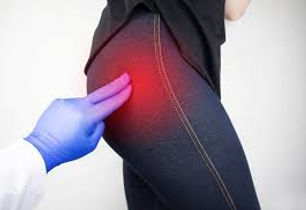
Trochanteric Bursitis Exercises
There are many factors that can contribute to trochanteric bursitis, with the most common being age, weight, and overuse. Research suggests that exercises focusing on strengthening the muscles around the hip and bursa can help reduce inflammation and ease pain.
On average, it takes around 3 months of consistent rehabilitation to notice significant improvement. We generally recommend spending at least 15 minutes per day on targeted exercises. With regular commitment, most people see clear progress within this timeframe.

Band Rehab
As part of strengthening the muscles around the pelvis, it can be very helpful to use resistance bands. These bands come in different colours, with each colour representing a different level of resistance.
We recommend starting with the lightest resistance to allow your body to adapt safely. As your strength improves, you can gradually progress to higher levels of resistance to continue building muscle support around the hip and pelvis.

Over the Counter Gels
We recommend daily self-massage around the outside region of the painful hip using a mixture of gels such as Voltarol (anti-inflammatory gel), Deep Heat, or cooling/ice gels. Spend around 5–10 minutes each day massaging the area.
This can help to reduce inflammation, relieve tension, and over time may contribute to an overall improvement in your symptoms.
Understanding Trochanteric Bursitis and Its Treatment
In this video, Dan from Elite Joint Solutions provides a clear overview of trochanteric bursitis, a common cause of pain on the outside of the hip. He explains what the condition is, why it often develops without injury, and the factors that contribute to ongoing symptoms. The video also outlines both conservative treatments—such as medication and targeted exercises—and more advanced options, including accurately delivered steroid injections, helping patients understand when each approach may be appropriate.

