
Tennis Elbow: Causes, Treatment Options, and When to Consider Hyaluronic Acid Injections Yate BS37
- Daniel Taylor

- Apr 30
- 6 min read
Updated: Jul 7
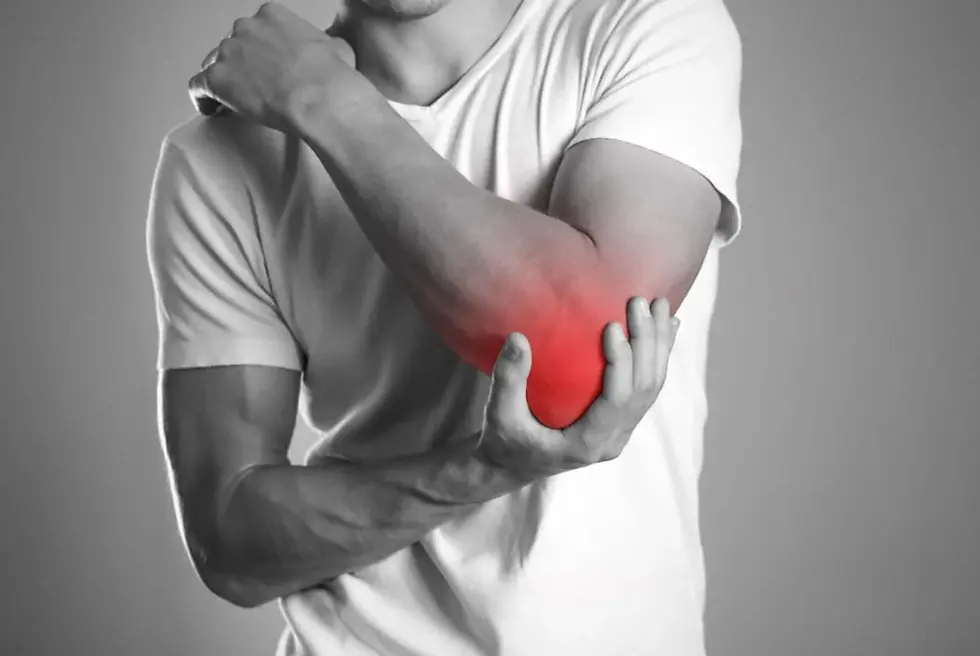
Tennis elbow, medically known as lateral elbow tendinopathy, is a common condition characterised by pain on the outside of the elbow. This pain is often aggravated by activities that involve lifting, gripping, or repetitive use of the forearm.
What causes tennis elbow?
The condition typically develops due to a combination of tendon ageing and overuse. Repetitive strain can lead to small microtears in the tendon, resulting in pain and reduced function.
Early-stage treatment
In the early phase, tennis elbow can usually be managed effectively with simple, conservative treatments, including:
Wearing an elbow clasp or brace
How to Apply a Golfer's Elbow Clasp Correctly
Whilst elbow clasps are widely available and relatively inexpensive, many people do not apply them correctly and therefore fail to get the maximum benefit from them.
When applying the elbow clasp, ensure that the padded section is positioned directly below the painful tennis elbow region on the outside of the elbow. The clasp should sit approximately 2–3 cm below the bony prominence where the pain is located.
Once the clasp is in position, apply gentle pressure to the strap and carefully move the strap upwards towards the elbow. As you do this, you should notice the skin and soft tissues moving upwards in tandem with the strap. Whilst maintaining this position, fully tighten the clasp so that it remains comfortable but secure.
The aim of this technique is to slightly offload the tendon attachment at the Tennis elbow region. By reducing some of the tension and loading through the tendon during gripping and lifting activities, the clasp may help reduce pain, improve function, and create a more favourable environment for healing.
Tips for Using an Elbow Clasp
Wear the clasp during activities that aggravate your symptoms, such as lifting, gardening, gym work, or manual tasks.
The clasp does not usually need to be worn at rest or whilst sleeping.
Ensure the strap is firm but not so tight that it causes numbness, tingling, or discomfort.
Continue with your stretching and strengthening exercises, as the clasp is designed to complement rehabilitation rather than replace it.
If symptoms persist despite appropriate use of the clasp and rehabilitation exercises, consider seeking professional assessment to discuss further treatment options.
Why This Technique Works
Many people simply place the clasp around the forearm and tighten it. However, by gently lifting the soft tissues upwards before tightening the strap, you may further reduce the load being transmitted through the irritated tendon attachment. This can make gripping and lifting activities more comfortable and may help optimise recovery when combined with an appropriate rehabilitation programme.
Clinical Tip: If you experience immediate relief when gripping or lifting whilst wearing the clasp, this is usually a good indication that the brace has been positioned correctly.
This link provides you with a website to purchase an elbow clasp: Boots Sports Tennis/Golf Elbow Strap - One Size - Boots

Self Massage
We recommend you purchase an anti-inflammatory gel and both ice and heat gels and massage them into the painful site roughly 3 times a day, providing you are getting no side effects. We recommend that you repeat this on a daily basis for up to 6 weeks. Performing self massage to this area with these types of gels helps reduce inflammation and helps promote healing to the tendon to facilitate recovery.

Exercises for Tennis Elbow
We recommend performing regular stretching and strengthening exercises to help settle tennis elbow. Research has shown that a structured exercise programme, particularly one focused on progressive strengthening of the tendon and stretching of the surrounding soft tissues, can help resolve symptoms in the vast majority of cases.
As a general guide, we recommend performing 2–3 sets of 8–12 repetitions, approximately 4–5 times per week. It is important to work within your pain limits. Mild discomfort during exercise is often acceptable, but exercises should not cause a significant flare-up of symptoms afterwards.
Many patients begin to notice improvements within 2–6 weeks, although more persistent cases may take several months to fully settle. Consistency is key, as tendons typically respond to gradual loading over time.
For a demonstration of simple exercises, you can visit our YouTube channel here:
At Elite Joint Solutions, we believe that successful treatment for tennis elbow (lateral epicondylitis) involves more than simply resting the arm or giving exercises. Our treatment focuses on identifying and addressing the underlying causes of the problem, reducing pain, and restoring normal movement so that you can return to work, sport, and everyday activities as quickly as possible.
One of the key treatments we commonly use is hands-on physiotherapy, particularly deep transverse friction massage (deep friction therapy) around the common extensor tendon where it attaches to the outside of the elbow. This technique aims to stimulate local blood flow, reduce pain, improve tissue mobility, and encourage healthy tendon remodelling during the healing process.
We also carry out soft tissue release to the muscles of the forearm, wrist extensors, and surrounding tissues. These muscles often become tight and overloaded, placing additional stress on the tendon attachment at the elbow. By reducing muscle tension and improving tissue flexibility, we can decrease the strain placed on the injured tendon and help restore normal function.
Treatment is then combined with a graduated strengthening programme, with particular emphasis on eccentric loading exercises, grip strengthening, stretching, and correcting any biomechanical issues that may be contributing to the problem. We also provide advice regarding work ergonomics, sporting technique, and activity modification to reduce the likelihood of symptoms returning.
We also offer acupuncture (dry needling) as part of our comprehensive treatment programme. Fine sterile needles are placed into the painful tendon and surrounding tight muscles to help reduce pain, improve blood flow, relax muscle tension, and stimulate the body's natural healing processes.
Many patients find that acupuncture helps reduce pain sufficiently to allow them to perform their rehabilitation exercises more comfortably and return to normal activities sooner.
Most patients require approximately 4–8 treatment sessions, depending on the severity and duration of their symptoms. Long-standing or more chronic cases may occasionally require a slightly longer course of treatment, particularly if symptoms have been present for several months.
At Elite Joint Solutions, our unique approach combines hands-on physiotherapy, soft tissue therapy, acupuncture, rehabilitation exercises, and, where appropriate, advanced treatments such as hyaluronic acid injections and medication advice, allowing us to tailor treatment specifically to your needs rather than relying on a single treatment approach
Injections For Tennis Elbow
If your symptoms are not improving with these initial treatments, injection therapy may be the next step to consider. At Elite Joint Solutions, we offer two main types of injections:
Steroid injections have traditionally been used to reduce pain and inflammation. However, caution is advised. Research has shown that while some patients experience short-term relief, a small percentage may have worse outcomes in the long term due to the potential weakening effect on the tendon.
2. Hyaluronic acid injections (Ostenil Tendon)

An increasingly popular alternative is hyaluronic acid tendon injections. We use a product called Ostenil Tendon, which is specifically designed for tendon-related pain.
This treatment offers:
Lubrication to improve tendon gliding
Mannitol, a compound that helps reduce inflammation
One of the key advantages of hyaluronic acid injections is their safety profile. Unlike steroids, they do not have a known long-term weakening effect on the tendon.
They are slightly more expensive, which is one reason they are not widely available on the NHS. However, we are pleased to offer this treatment at Elite Joint Solutions.
Emerging evidence also suggests that hyaluronic acid injections may provide longer-lasting relief compared to steroid injections, making them an excellent option for suitable patients.
Interested in treatment?
If you would like to learn more about your treatment options or find out whether injection therapy is right for you, please contact us at Elite Joint Solutions for further information. https://www.elitejointsolutions.com/contact-us
References
Coombes BK, Bisset L, Vicenzino B. Management of Lateral Elbow Tendinopathy: One Size Does Not Fit All. Journal of Orthopaedic & Sports Physical Therapy. 2015;45(11):938-949.
Cullinane FL et al. Is Exercise Effective for the Management of Lateral Elbow Tendinopathy? A Systematic Review and Meta-analysis. Clinical Rehabilitation. 2014;28(1):3-19.
Stasinopoulos D, Johnson MI. 'Lateral Elbow Tendinopathy' is the Most Appropriate Diagnostic Term for the Condition Commonly Referred to as Tennis Elbow. Medical Hypotheses. 2006;67(6):1400-1402.
Comments