
Morton’s Neuroma: Causes, Symptoms & When to Consider a Steroid Injection
- Daniel Taylor

- May 12
- 1 min read


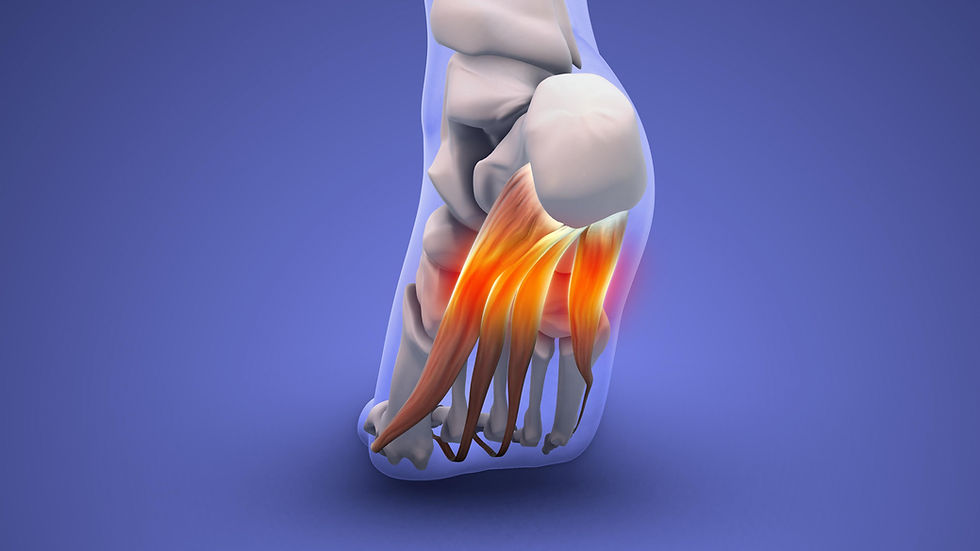
Morton’s neuroma is a condition that causes pain in the foot, most commonly around the ball of the foot between the toes. It usually develops gradually and is rarely linked to a specific injury or trauma. Instead, it is caused by thickening and irritation of the nerve tissue that supplies the toes, most commonly around the web space between the toes.
Patients often describe the sensation as though they are “walking on a golf ball” or having a pebble stuck underneath the foot. Symptoms can vary in severity, but common complaints include:
Pain in the ball of the foot
Burning sensations when walking
Numbness or tingling in the toes
Discomfort that worsens with prolonged standing or tight footwear
In many cases, symptoms will settle with simple conservative measures such as:
Rest and activity modification
Wearing wider, supportive footwear
Padding or insoles around the ball of the foot
Over-the-counter anti-inflammatory gels





However, if symptoms are persisting after 4–6 weeks despite these measures, a steroid injection may be worth considering.
A steroid injection is a powerful anti-inflammatory treatment delivered directly to the affected area. The aim is to reduce irritation around the nerve and settle the pain. Based on the cases I commonly see in clinic, over 75% of patients experience significant improvement following the injection.
The procedure itself is relatively quick and straightforward. Most patients tolerate it very well, and discomfort during the injection is usually minimal. The treatment is performed safely and efficiently in clinic with minimal downtime afterwards.
If you would like to discuss this procedure in more detail, please visit: Elite Joint Solutions Contact Page
Comments